


Experience
20+ years placing implants
Technology
3D CBCT Planning
Personal Care
One dentist throughout treatment
Local Laboratory
Australian-made restorations
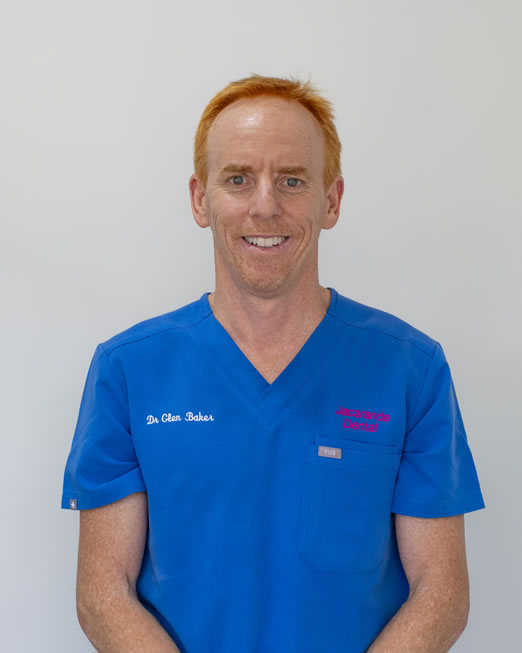

Replace Missing Teeth with Dental implants that look, feel and function like natural teeth.
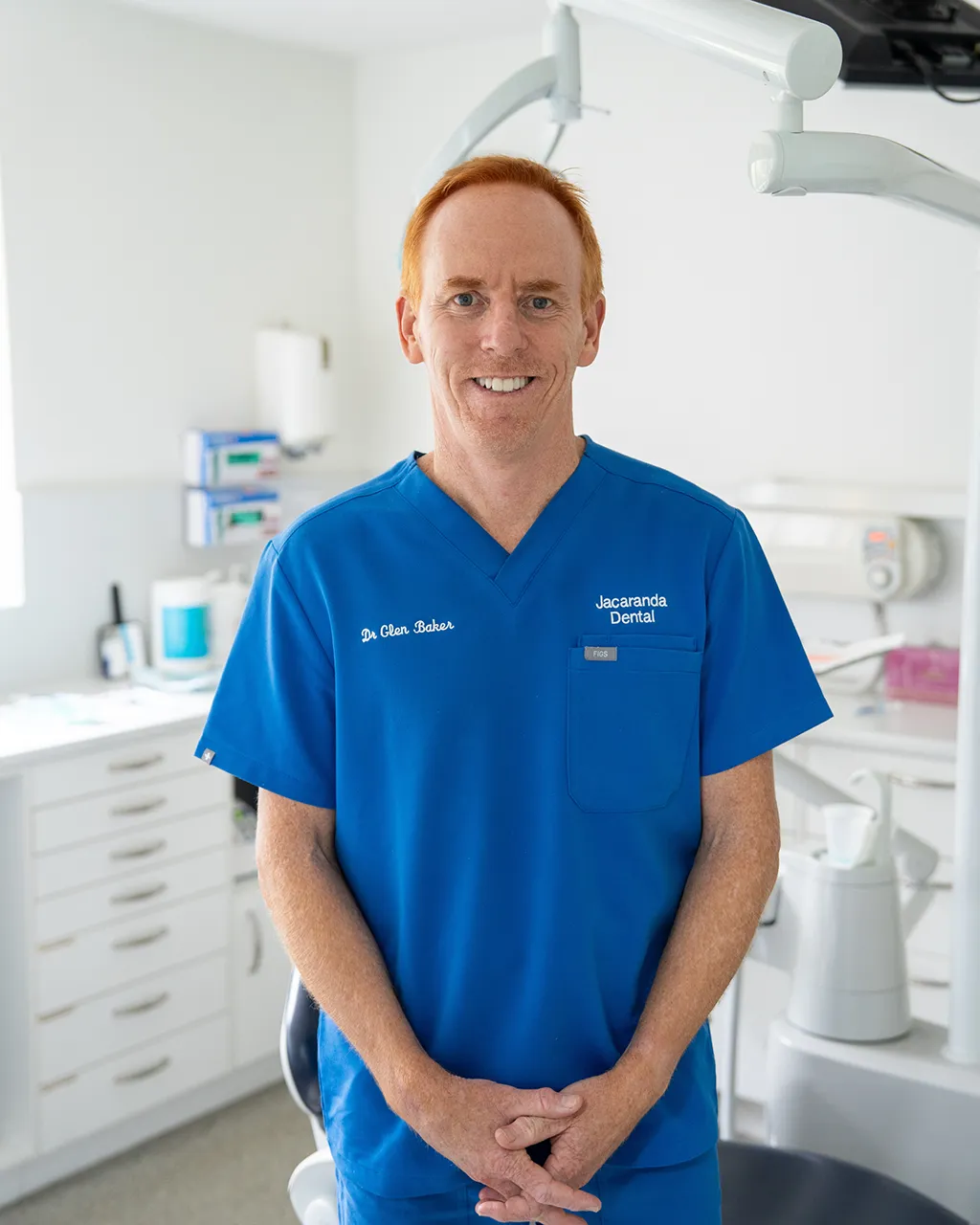
Dr Glen Baker has over three decades of clinical experience and provides personalised implant treatment ranging from single tooth replacement through to complex implant rehabilitation. He has been providing dental implant treatment to patients throughout Caringbah, Cronulla, Miranda, Sutherland Shire and the St George area for more than 20 years.
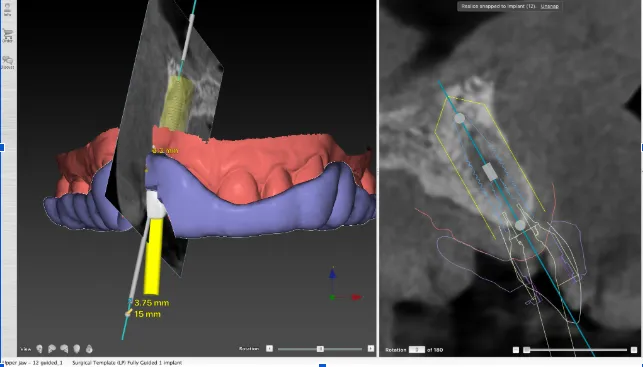
Every treatment begins with comprehensive planning using 3D CBCT imaging and digital scanning so your options, costs and expected outcomes are understood before treatment begins.
✔ Single tooth implants
✔ Implant bridges
✔ Implant retained dentures
✔ Bone grafting
✔ Immediate implants (where appropriate)
Why Experience Matters in Dental Implant Treatment
Dental implants are among the most technically demanding procedures in dentistry. Successful treatment depends upon careful diagnosis, accurate 3D planning, meticulous surgical technique and a well-designed final restoration.
With over 23 years of implant experience, nearly 1,000 implants placed and restored, and ongoing international education, Dr Glen Baker provides implant treatment designed for predictable, long-lasting results.
From your initial consultation through to the final implant restoration, Dr Baker personally plans and oversees every stage of your treatment.
Why choose Jacaranda Dental for your Dental Implants?
Dr Glen Baker graduated with First Class Honours and the University Medal from Sydney University, and has over 23 years of experience providing dental implant treatment. He has placed and restored close to 1,000 dental implants. Dr Baker believes implant dentistry is a procedure that requires regular clinical practice and ongoing education to consistently achieve excellent outcomes.
In 2010, Dr Baker completed the internationally recognised UCLA gIDE Implant Programme to further develop advanced techniques such as bone grafting and soft tissue management, ensuring predictable long-term aesthetic outcomes.
Since then Dr Baker has maintained an ongoing commitment to Dental Implant education and attended the Nobel Biocare World Symposium in Madrid 2019 and more recently the EuroPerio 2025 conference in Vienna. Dr Baker regularly attends international implant conferences to stay current with the latest evidence, digital technologies and surgical techniques, ensuring patients benefit from contemporary, evidence-based care.
Dr Glen Baker graduated with top honours and the University Medal from Sydney University, and has over 23 years of experience in dental implant treatment. He has placed and restored nearly 1,000 dental implants. Dr Baker believes implant dentistry needs regular practice and continuous learning to consistently get great result.
Dr Baker manages all types of dental implant treatment:
- single dental implants
- multiple dental implants
- ‘All-on-4’ dental rehabilitations
- Implant overdentures
(visual trust panel:)
Single-tooth implant performed by Dr Baker
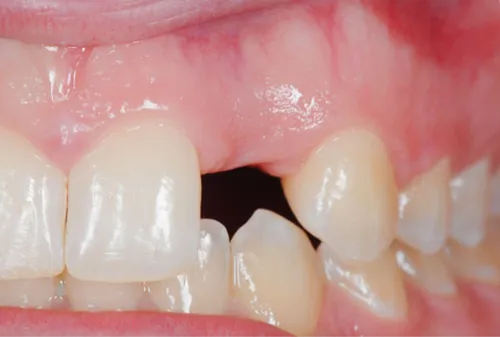
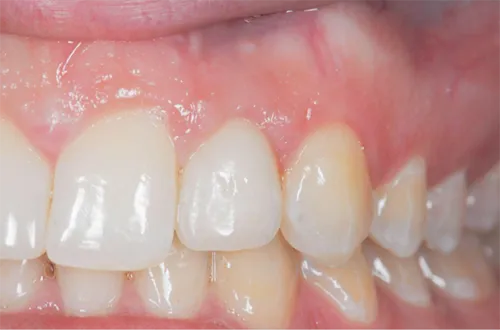
Over 30 years’ clinical experience/ 23+ years providing dental implants /Nearly 1,000 implants placed and restored/ Advanced 3D digital planning/Experience/Technology/Personal Care/Expert laboratory
Many patients present with a failing tooth that requires replacement. In some cases an implant can be placed immediately after extraction, while others benefit from a staged approach with bone grafting to achieve the best long-term outcome. Dr Baker believes selecting the right treatment at the right time is one of the most important factors in achieving a predictable result.
Why Patients Choose Dental Implants to Replace Missing Teeth
Implants offer many benefits:
- Eat comfortably again – implants function just like natural teeth. Because they have no nerve there is no hot or cold sensitivity. They do not move around like dentures can and so can be used to eat all food types with comfort.
- Smile confidently – Implants look like natural teeth and fill any unsightly gaps in the smile.
- Fixed solution – implants do not need to be removed as they are fixed to the bone. They do not wobble around or move when eating, so offer peace of mind.
- Protect neighbouring teeth – Implants are free standing and so do not involve neighbouring teeth. A bridge will require grinding down adjacent teeth, which can compromise them in the future.
- Help preserve jawbone – when a tooth is lost the jawbone shrinks naturally as it is not being used. Replacing a tooth with an implant will stimulate the bone to preserve its volume.
- Long-term replacement option – Implants have great longevity. They do not suffer from decay or tooth nerve problems. If the bone is maintained with good hygiene and the crown is checked regularly, many implants will last a lifetime. We find that implants outlast dentures and bridges, so offer better long term value.
Your Questions, Answered on Implants
Our dental implant procedures’ are never one-size-fits-all.
What is a dental implant?
A dental implant is an artificial tooth root made from titanium or zirconia that inserts into the jaw bone and allows for restoration of a missing tooth or teeth. They fuse to the bone over a few months in a process called osseointegration. They provide support for individual crowns, bridges or a denture. The term ‘Implant’ is commonly used to describe the final completed implant and crown, but specifically refers to the part in the bone.
How do dental implants work?
Implants consist of three main parts:
- The Post (Implant) – The Titanium or Zirconia screw that is placed into the jawbone to act as a support for the dental restoration. The osseointegration of an implant provides a biological solution for a reliable mechanical connection to the bone.
- Abutment – the small connector piece that joins the implant post to the dental restoration. It transitions through the gumline to act as a base to support the final restoration.
- The Crown (restoration) – the visible and functional custom-made tooth or dental restoration, usually made from zirconia ceramic and attached to the abutment.
Dental implant COST Caringbah
Why are implants so expensive?
Dental Implants are generally the most complex and technical dental treatment option. The treatment planning involves extensive high-tech work, including 3D CBCT scans to assess bone density and develop a prosthetic design. Typically, there are a few hours of administrative time using digital tools to plan the surgery. The complex nature of implant treatment means lots of visits to the dentist throughout the treatment, and costs are usually proportional to the time required. Best-practice surgical treatment incurs many one-off costs to ensure sterile conditions, and implant treatment requires premium biocompatible components made of titanium and zirconia that are single-use. Preparatory work such as implants, bone grafts, or sinus lifts can add thousands to the treatment cost. Once the implant has been placed, the final restoration is custom-made from the ground up by specialised, expert dental technicians.
Further Implant Cost items are listed below!
How much do dental implants cost?
Can I pay my dental implant off over time?
Dental implant treatment is spread over many months and so the total cost is split up into more manageable installments over time, depending upon what treatment stage has been completed. This naturally spreads out the payment schedule. We also offer a no interest payment plan schedule that can help make dental implant treatment fit your budget, and avoid larger payments being due all at once.
How much is a single tooth implant?
A single implant treatment where there is no grafting required can range from $7000-$8000.
The most expensive single implant treatment requires bone and gum grafting with extra steps involved, and can add a few thousand dollars.
How much is an implant bridge?
A dental implant bridge will involve at least 2 implants and a false tooth, with discounts offered typically for multiple missing teeth. The final cost will depend upon the number of implants and false teeth that make up the bridge, as well as additional treatments that are required (such as grafting).
How much does an ‘All-on-4’ cost?
If you require all your teeth replaced in an arch, such as in an ‘All-on-4’ style treatment, the costs can range from $30,000 -$40,000. At Jacaranda Dental, the surgical side of this treatment is usually done in hospital with a specialist Oral and Maxillofacial surgeon, and completed in the rooms at Jacaranda Dental.
Are dental implants covered by health insurance?
Yes, dental implant treatment can be claimed if you have dental health insurance and are covered for ‘major dental’. The amount claimed will be determined by your specific dental insurer and the level of dental cover you have. Because dental implant treatment can take many months, sometimes it spans two insurance ‘years’ and you can expect to be eligible for 2 rebates. We can provide an itemised quote for you to check your rebate before treatment begins.
Dental implant Procedure
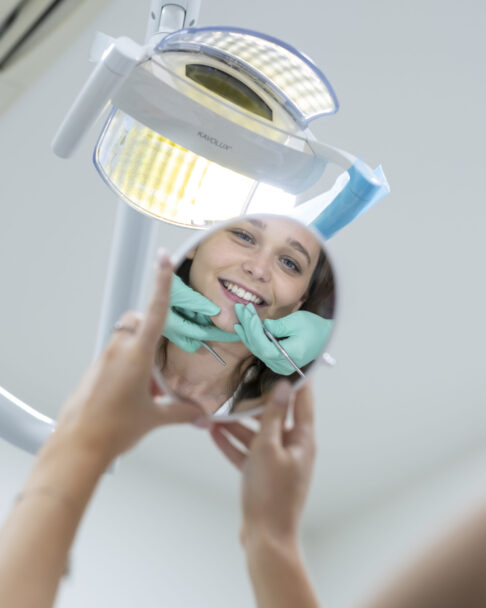
- Planning- Once a treatment discussion and treatment plan is made the first step of implant treatment is a preliminary work up. Diagnostic 3D CBCT scans and intra-oral scans are done to facilitate a computer based plan for treatment. A consent appointment will discuss the plan and the benefits, costs and specific risks of treatment.
- Implant placement – a surgical appointment to place the implant fixture and grafting if required. Under a local anaesthetic, an incision is made in the gum to expose the bone. A hole is drilled into the bone and the implant is screwed into the bone. The gum is stitched around the implant. The implant is left for 3-6 months for the bone to heal and osseointegration to take place.
- Implant scan- the implant is measured with an intraoral scanner to fit into the bite and against the neighbouring teeth. The colour for the restoration is chosen.
- Implant restoration – After a few weeks, the final abutment and crown is either screwed into or cemented onto the implant and it is ready to use.
Further Procedure items are listed below!
What happens during implant surgery?
Implants are performed in the dental chair under local anaesthetic under sterile conditions. The appointment can be quick for simple single tooth implants or last up to a couple of hours for the more complex treatments including grafting. The gum is opened up, the bone is drilled for the implant post, and then after the implant has been placed the gum is stitched back around the implant to allow healing.
Does getting a dental implant hurt?
Dental implant treatment is performed under local anaesthesia and so no pain should be felt during the implant placement appointment. Once the local anaesthetic wears off there is likely some post operative discomfort that can last a few days. The pain should be manageable with over-the-counter pain relief medications like Ibuprofen and Paracetamol. The implant has no nerve endings and so gives no ongoing sensitivity. Patients are usually surprised by how little discomfort is experienced.
Can a tooth be extracted and replaced with an implant on the same day?
Yes, in certain circumstances we have the option to extract a tooth and replace it on the same day with an implant. This procedure is known as an ‘immediate implant’. Specific criteria must be met including having good bone, an absence of infection, and the implant needs to be kept out of the bite and not used during the healing period. An Immediate implant offers a great replacement solution as it cuts down the need for multiple procedures, and can mean patients are never without a ‘tooth’.
What are the risks of dental implant surgery?
Dental implants are generally safe and successful. The common risks for dental implant surgery are the same for any surgical procedure and include:
- Infection – Bacteria entering the surgical site can cause infection. This can cause pain and delayed healing and potentially see failure of the treatment. At risk patients and certain treatments are managed with antibiotic coverage.
- Pain, swelling, bleeding – these complications occur with any surgical procedure and can be managed with good surgical technique and post operative care instructions.
- Nerve damage – Important nerves need to be identified by the dentist and avoided as damage can cause altered sensation (tingling, pain) or numbness. Careful planning and guided surgery techniques can minimise the risks.
- Damage to adjacent teeth – good planning and careful surgical techniques are important to identify and avoid adjacent teeth as damage can cause future problems with the damaged tooth.
- Implant failure – The implant may fail to fuse to the jaw bone and cause it to be loose or wobbly. In this case the implant will need to be removed and re-treated.
- Sinus issues – implants in the upper jaw can affect the sinus with a risk of infection or sinusitis.
Recovery Process
What should I avoid after implant surgery?
- Avoid eating foods in the surgical area and to use the other side of the mouth for the first few weeks after surgery.
- Leave out any plate or denture for the first few days to weeks to avoid damage.
- Avoid strenuous exercise for the first 48 hours.
- Smoking and vaping – will cause delayed healing.
Further Recovery items are listed below!
What can I eat after implant surgery?
Soft foods are best for the first few days to minimise damage to the healing implant site. Foods like soups, eggs, pasta and fish are recommended.
How long before I can chew normally?
The implant is at it’s weakest for the first 2 weeks, and gets progressively stronger before it reaches full strength at approximately 3 months. It is best to avoid eating on the implant for the first few weeks, and slowly resume normal eating in the weeks that follow.
Dental implant Procedure
How long do dental implants last?
Dental implants are designed to be a long lasting treatment, and the goal is for implants to last a lifetime. The lifespan of an implant will be affected by how well it is maintained and serviced. It is important to have it checked regularly as problems need to be addressed early. Some problems give no symptoms but can be picked up early by the dentist.
Can implants fail?
Implant failure is when the implant is no longer integrated to the bone. Common types of failure include an initial failure to integrate, implant gum disease (peri-implantitis) and overload in the bite. While the implant post can often last a lifetime, the cosmetic crown typically needs replacement more often.
What is the success rate?
Implants have a high overall success rate, and 10-year implant survival ranges between 90% – 95% . Success depends upon the quality and quantity of bone, overall health of the patient and lifestyle factors.
What causes implant failure?
Early implant failure – can be caused by:
- surgical complications such as infection. It is more likely with poor bone quality in medically compromised patients or in patients who smoke.
- Occlusal overload – If an implant is loaded in the bite it can fail from micro movement before it has fused to the bone.
Late implant failure – Once an implant is integrated and restored, the most common reasons for implant failure include:
- Peri-implantitis – gum infection around an implant can damage the bone and cause it to fail.
How do I care for my dental implant?
- Occlusal overload – if an implant is under too much biting force it can damage the bone interface and the implant becomes loose.
Cosmetic Questions
Do implants look natural?
Will people know I have an implant?
Can Dental Implants Look Like Natural Teeth?
Yes. A dental implant can be designed to closely resemble your natural teeth. The crown placed on top of the implant is custom-made to match the surrounding teeth in colour, shape and proportions.
For a front tooth, particular attention is given to the appearance of the tooth and its relationship with the neighbouring teeth and gum line.
Can Dental Implants Improve the Appearance of My Smile?
Replacing a missing tooth with a dental implant can restore the appearance of your smile as well as your ability to chew and speak comfortably. An implant-supported crown can help fill a visible gap and provide a more natural-looking tooth replacement.
However, the cosmetic result depends on factors such as the position of the implant, the available bone and gum tissue, the surrounding teeth and the design of the final crown.
Can Dental Implants Replace Front Teeth?
Dental implants can be used to replace missing front teeth. Because front teeth are highly visible, careful planning is particularly important. Your dentist will consider the shape and colour of the replacement tooth, the surrounding teeth, gum contours and the overall appearance of your smile.
Do Dental Implants Look Better Than Dentures or Bridges?
Dental implants, bridges and dentures can all be used to replace missing teeth. The appearance and suitability of each option depends on the individual circumstances.
An implant-supported crown is designed to emerge from the gum in a similar way to a natural tooth, while bridges and dentures use different methods to replace missing teeth. Your dentist can discuss the available options and help determine which approach is appropriate for your oral health and aesthetic goals.
Cosmetic Dental Implant Treatment in Caringbah
At Jacaranda Dental, we consider both the function and appearance of dental implant treatment. We can assess your smile, existing teeth, gums and bone and discuss the options available for replacing missing teeth with a natural-looking result.